
2 Chronicles 26:6–15; Proverbs 21:31; Psalm 127:1; 1 Corinthians 10:31 (KJV)
Sometimes Christians talk about depending on God as though preparation proves you don’t trust Him. Uzziah’s life refuses that idea. Once his reign gains strength, 2 Chronicles becomes almost breathless with verbs. He “warred” against the Philistines and “brake down” the walls of their cities (v. 6). He “built” towers in Jerusalem and “fortified them” (v. 9). He “digged many wells” (v. 10). He “prepared” shields and spears for his army (v. 14), and he “made” engines for the walls (v. 15). This is an active king.
And threaded straight through all of it is a different subject: “And God helped him against the Philistines” (v. 7). Then:
And he made in Jerusalem engines, invented by cunning men, to be on the towers and upon the bulwarks, to shoot arrows and great stones withal. And his name spread far abroad; for he was marvellously helped, till he was strong. (2 Chronicles 26:15)
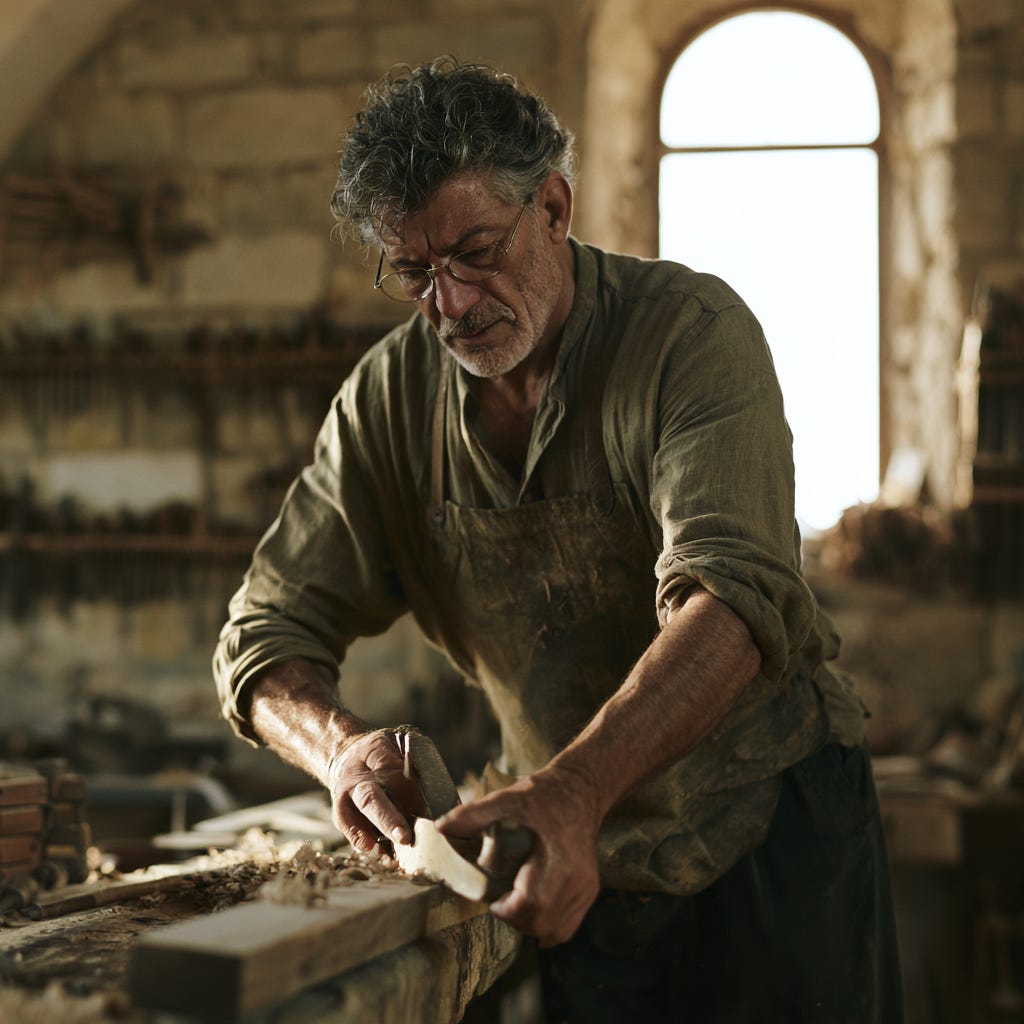
Notice what the chapter refuses to make us choose between. Uzziah worked, and God helped him. Human preparation and divine help sit in the same paragraph, and here, in the same verse. The engines were “invented by cunning men,” which in the KJV means skilled men, and the king was “marvellously helped.” Skill mattered, and God’s help didn’t make it unnecessary.
Verse 10 tucks in a detail that’s almost tender. Uzziah had cattle in the lowlands and vinedressers in the hills, “for he loved husbandry.” He loved the land. This king didn’t only dream about military victories. He cared about water and soil, about the ordinary work that keeps people fed. Faithful excellence often looks like that, unglamorous attention to the work right in front of you.
Proverbs puts the relationship in one sentence: “The horse is prepared against the day of battle: but safety is of the LORD” (Proverbs 21:31). Look at the grammar. The horse is prepared. Scripture doesn’t say, Because safety comes from God, don’t prepare the horse. Prepare it. Then don’t worship the horse.
That matters enormously in healthcare. Pray before the exam, and then study. Ask God for wisdom before the procedure, and then know the anatomy. Pray for the patient, and then check the medication, review the chart, and ask when you don’t know. Depending on God is not permission to be careless with what He has entrusted to you. There’s a kind of spirituality that calls avoidable unpreparedness “faith,” and Scripture doesn’t ask that of us. People may someday place the most vulnerable parts of their lives in your hands. That should make you want to become competent.
But Scripture gives the opposite warning too: “Except the LORD build the house, they labour in vain that build it” (Psalm 127:1). Notice there are still builders, and they still labour. The psalm doesn’t condemn the work. It asks whom the work ultimately depends on. That’s where Christian excellence parts ways with perfectionism. Excellence asks, How can I steward this faithfully? Perfectionism quietly asks, What will it mean about me if I don’t perform flawlessly? One is stewardship. The other slowly becomes identity management.
Uzziah had systems and people, equipment and plans, and none of that is the problem in this chapter. The problem comes later, when strength starts doing something to his heart. So don’t be afraid of becoming excellent. Learn deeply and prepare carefully. Welcome feedback, and study beyond what’s required when the responsibility demands it.
But Christian excellence has a different destination from the world’s: “whether therefore ye eat, or drink, or whatsoever ye do, do all to the glory of God” (1 Corinthians 10:31). In Christ, even your competence can become worship, skill offered back to the One who gave you the capacity for it. The goal isn’t mediocrity dressed in religious language, and it isn’t achievement that secretly wants applause. We prepare because the work God gives us matters. We pray because preparation was never God. Prepare the horse, and remember where safety comes from.
Reflect
Where have you used “trusting God” as a reason to skip preparation you know you should be doing?
Where has preparation turned into anxiety or self-reliance?
What would excellent stewardship look like in the responsibility directly in front of you?
Prayer
Lord, teach me to work with diligence without making an idol of my work. Give me discipline to prepare well and humility to ask for help. Protect me from laziness disguised as faith and from perfectionism disguised as excellence. Let every skill I develop become something I place back into Your hands, for the good of others and for Your glory. In Jesus’ name, amen.
Before You Go
Choose one responsibility you’re praying about and answer two questions: What part requires trust? What part requires preparation? Then do both. If you’ve been praying instead of preparing, begin the work. If you’ve been preparing as though everything depends on you, stop and pray. In the comments, share one area where you’re learning to hold preparation and dependence together. And if someone you know feels guilty for taking excellence seriously, send this to them.